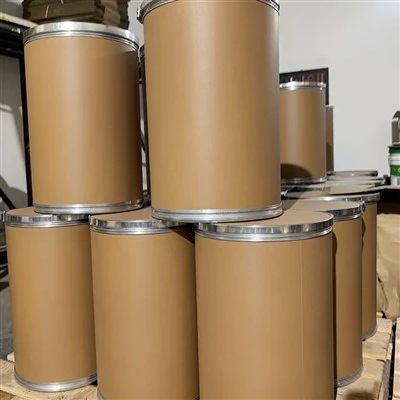
Wood adhesives are substances used to bond wood to other materials; they bond with wood via polar groups and rely on properties such as wettability, pH levels, and molecular weight distribution to achieve adhesion. They are widely used in the production of plywood, particleboard, and other engineered wood products. The industry originated in the 17th and 18th centuries, with European and American nations establishing the first adhesive factories.
Casein adhesives were commercialized in the early 19th century, followed by the introduction of synthetic resins in the early 20th century. Phenolic and urea-formaldehyde resins revolutionized the wood industry in the 1930s, and by the 1970s, synthetic resins accounted for over 80% of the market. Adhesives are categorized by raw material into natural adhesives (such as starch and protein-based glues) and synthetic adhesives (including thermosetting and thermoplastic resins). Amino resins have become the mainstream choice due to their low cost and light color, while phenolic resins are preferred for outdoor applications owing to their superior water resistance. Performance has been enhanced through the use of modified soy and blood-based adhesives, and new types of adhesives-such as hot-melt and lignin-tannin glues-are being developed. In modern wood processing, adhesives serve as a critical component, enabling the fabrication of complex structural timber and the production of improved wood products.