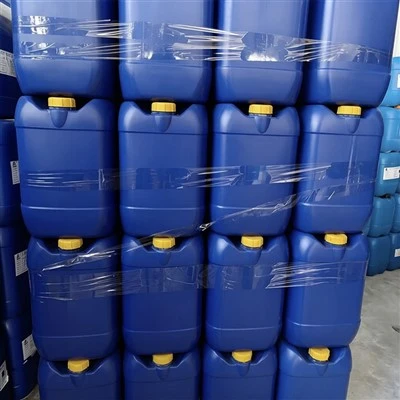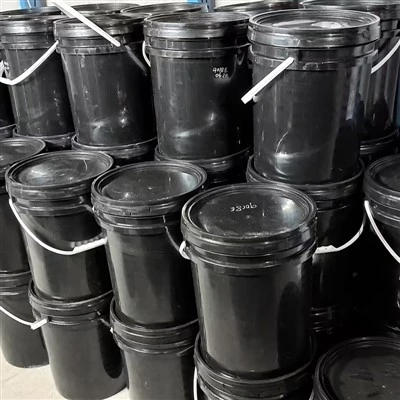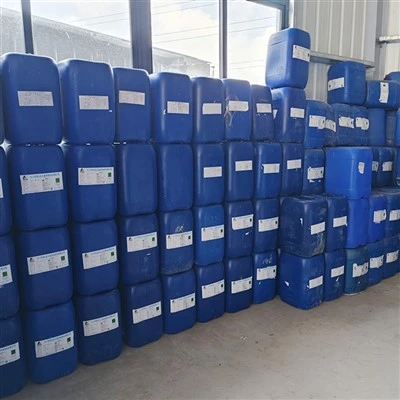

Viscosity is a crucial physical property that significantly influences the performance and application of UV resin in various industries. As a leading supplier of UV Resin Gallons, understanding the intricacies of viscosity is fundamental to our ability to provide high - quality products meeting diverse customer needs.
Understanding Viscosity
Viscosity can be simply defined as a fluid's resistance to flow. In the realm of UV resin, it is a measure of how thick or thin the resin is. A high - viscosity UV resin flows more slowly and has a thick, syrupy consistency. On the other hand, low - viscosity UV resin is thinner and flows easily, much like water.
The viscosity of a fluid is determined by the internal friction between its molecules. In UV resin, factors such as the molecular weight of the resin polymers, the presence of additives, and the temperature can all affect viscosity. Resins with higher molecular - weight polymers generally have higher viscosities because the larger molecules are more likely to interact with each other, creating more resistance to flow.
Measuring Viscosity
There are several methods to measure the viscosity of UV resin. One of the most common is the use of a viscometer. There are different types of viscometers, such as the rotational viscometer and the capillary viscometer.
A rotational viscometer works by measuring the torque required to rotate a spindle immersed in the resin. The higher the viscosity, the more torque is needed to turn the spindle at a constant speed. The viscosity value is then calculated based on the measured torque and the geometry of the spindle.
Capillary viscometers, on the other hand, measure viscosity by observing how long it takes for a fixed volume of the resin to flow through a narrow capillary tube. The time of flow is directly proportional to the resin's viscosity.
The Importance of Viscosity in UV Resin Applications
In the field of UV resin applications, viscosity plays a key role in determining the final quality of the product. Different applications require different viscosity levels.
Crafts and DIY Projects
For small - scale crafts and DIY projects, low - viscosity UV resins are often preferred. They are easy to pour and spread evenly over surfaces, making them ideal for creating smooth coatings on items like jewelry, keychains, and small wooden objects. For example, when making resin - embedded jewelry, a low - viscosity resin can quickly fill small molds and encapsulate objects without leaving air bubbles. UV Pro Epoxy is a type of low - viscosity UV resin that is highly suitable for such delicate applications.
Woodworking
In woodworking, a medium - viscosity UV resin might be the best choice. UV Resistant Epoxy for Wood can penetrate the wood fibers to some extent while still providing a good amount of protection on the surface. It can fill small cracks and pores in the wood, enhancing its durability and appearance. The medium viscosity allows the resin to stay in place during the curing process without running off the wood surface.
Industrial Manufacturing
In large - scale industrial manufacturing, high - viscosity UV resins are often used. For instance, in the production of fiberglass composites, high - viscosity resins can hold the fiberglass layers together firmly. The resin's ability to resist flow ensures that it stays in place during the molding process, resulting in a strong and uniform composite structure. Our Bulk UV Resin is available in high - viscosity formulations to meet the demands of industrial customers.
Controlling the Viscosity of UV Resin
As a supplier, we have developed advanced techniques to control the viscosity of our UV resin gallons. Temperature is a simple yet effective way to adjust viscosity. In general, increasing the temperature of the resin reduces its viscosity because the heat provides more energy for the molecules to move freely, reducing the internal friction. Conversely, lowering the temperature increases viscosity.
We also carefully select additives to control viscosity. Thickeners can be added to increase the viscosity of a low - viscosity resin, while diluents can be used to reduce the viscosity of a high - viscosity resin. These additives are chosen based on their compatibility with the UV resin and their impact on the resin's curing properties.
UV Resin and Yellowing: The Impact of Viscosity
Another important aspect related to UV resin is yellowing. Over time, some UV resins may yellow when exposed to sunlight or other UV sources. Our Non Yellowing UV Resin is formulated to resist yellowing. Viscosity can influence the yellowing process. Low - viscosity resins tend to have a larger surface - to - volume ratio, which may make them more susceptible to environmental factors that cause yellowing. However, through our advanced formulation techniques, we ensure that our non - yellowing resins maintain their performance regardless of viscosity.
Our Product Range and Viscosity Options
We offer a wide range of UV resin gallons with different viscosity levels to meet the diverse needs of our customers. Resion UV Epoxy Resin is one of our flagship products, available in low, medium, and high - viscosity formulations.
Our low - viscosity Resion UV Epoxy Resin is perfect for those who need a resin that can easily flow and spread, such as in small - scale art projects. The medium - viscosity version is suitable for medium - sized projects like coating tabletops or creating small sculptures. The high - viscosity resin is ideal for industrial applications where strength and adherence are crucial.
Conclusion and Invitation to Contact
Understanding the viscosity of UV resin is key to achieving the best results in any project. Whether you are a hobbyist looking for the perfect resin for your next DIY project or an industrial manufacturer in need of high - performance resin, we have the right product for you.
Our team of experts is always ready to assist you in selecting the appropriate UV resin with the ideal viscosity for your specific application. We strive to provide not only high - quality products but also excellent customer service.


If you have any questions about our UV resin gallons, their viscosity, or would like to discuss a potential purchase, please do not hesitate to contact us. We look forward to partnering with you to bring your projects to life.
References
- Bird, R. B., Stewart, W. E., & Lightfoot, E. N. (2007). Transport Phenomena. John Wiley & Sons.
- Merrill, E. W. (1996). Non - Newtonian Fluids. Elsevier.