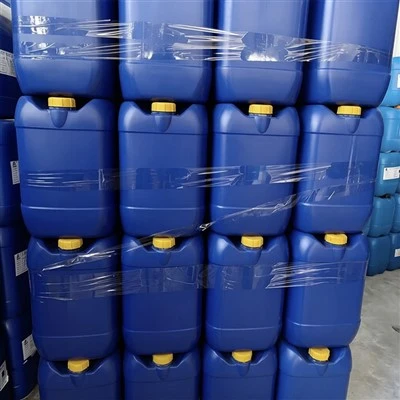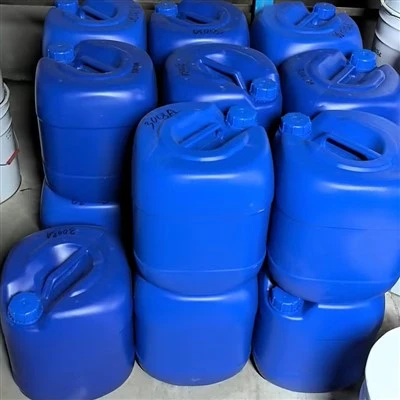

Oxidized stainless steel is a common issue in various industries, from manufacturing plants to kitchen settings. The oxidation process forms a layer on the stainless - steel surface, which not only affects the aesthetic appearance but also, in some cases, the functionality of the steel. As a stainless degreaser supplier, I am often asked about how our product works on oxidized stainless steel. In this blog, I will delve into the science behind it and explain the mechanisms at play.
Understanding Oxidized Stainless Steel
Stainless steel is an alloy primarily composed of iron, chromium, and other elements. Chromium plays a crucial role in the corrosion - resistance of stainless steel. It forms a thin, invisible passive layer of chromium oxide on the surface when exposed to oxygen. However, under certain conditions such as high humidity, exposure to harsh chemicals, or mechanical damage, this passive layer can be compromised, and further oxidation can occur. The result is a visible layer of rust or oxidation, which can be difficult to remove.
The Composition of Stainless Degreasers
Our stainless degreaser is a carefully formulated product that contains a combination of active ingredients designed to tackle oxidation and grease simultaneously. The main components typically include surfactants, solvents, and corrosion inhibitors.
Surfactants are molecules that have both hydrophilic (water - loving) and hydrophobic (water - hating) ends. They work by reducing the surface tension of water, allowing it to spread more easily over the stainless - steel surface. This helps in better wetting of the oxidized layer and facilitates the removal of dirt and grease. The hydrophobic part of the surfactant attaches to the oil and grease molecules, while the hydrophilic part remains in the water. This forms micelles, tiny clusters that can be easily washed away.


Solvents in the degreaser are responsible for dissolving the oxidation products. They break down the chemical bonds in the rust and oxidation layer, making it easier to lift off the surface. Different solvents are used depending on the type and severity of the oxidation. For example, some solvents are more effective against light surface oxidation, while others are designed for heavy - duty rust removal.
Corrosion inhibitors are added to prevent further oxidation of the stainless - steel surface after the degreasing and cleaning process. They form a protective layer on the metal, which acts as a barrier against oxygen and moisture, thus preserving the integrity of the stainless steel.
The Working Mechanism of Stainless Degreasers on Oxidized Stainless Steel
Step 1: Penetration
When the stainless degreaser is applied to the oxidized stainless - steel surface, the solvents start to penetrate the oxidation layer. The small molecular size of the solvents allows them to seep into the tiny cracks and pores in the rust. This initial penetration is crucial as it weakens the bond between the oxidation layer and the underlying stainless - steel surface.
Step 2: Dissolution
Once the solvents have penetrated the oxidation layer, they begin to dissolve the rust and oxidation products. The chemical reaction between the solvents and the metal oxides breaks down the complex compounds into simpler, more soluble forms. For example, iron oxides are converted into iron salts that can be easily removed. The surfactants in the degreaser also play a role here. They help in dispersing the dissolved oxidation products in the solution, preventing them from re - depositing on the surface.
Step 3: Emulsification and Removal
As the oxidation products are dissolved, the surfactants form emulsions with the grease and dirt particles on the surface. These emulsions are stable mixtures of oil and water, which can be easily rinsed away with water. The degreaser effectively lifts the oxidation layer and any associated dirt and grease from the stainless - steel surface.
Step 4: Protection
After the oxidation layer has been removed, the corrosion inhibitors in the degreaser come into action. They form a thin, protective film on the stainless - steel surface. This film acts as a shield, preventing oxygen and moisture from coming into contact with the metal and thus reducing the risk of future oxidation.
Applications and Benefits
Our stainless degreaser has a wide range of applications. In the food and beverage industry, it is used to clean stainless - steel equipment such as tanks, pipes, and conveyor belts. Oxidation on these surfaces can not only affect the appearance but also pose a risk to food safety. Our degreaser effectively removes oxidation and grease, ensuring a clean and hygienic environment.
In the automotive and manufacturing industries, stainless steel components are often exposed to harsh conditions, leading to oxidation. Our product can be used to clean and restore these components, extending their lifespan and maintaining their performance.
The benefits of using our stainless degreaser are numerous. Firstly, it is highly effective in removing oxidation and grease, leaving the stainless - steel surface clean and shiny. Secondly, the corrosion inhibitors ensure long - term protection, reducing the need for frequent cleaning and maintenance. Thirdly, our degreaser is environmentally friendly, containing biodegradable ingredients that minimize the impact on the environment.
Related Products
If you are dealing with different types of metal cleaning and treatment needs, we also offer a range of other products. For example, our Bright Cleaning Agent for Copper Tubes is specifically designed to clean and brighten copper tubes, removing stains and oxidation. The Polyurethane Waterproof Topcoat provides excellent waterproofing and protection for metal surfaces. Our Acidic Degreaser for Aluminum is tailored to remove grease and oxidation from aluminum surfaces, while the Exterior Cleaning Agent for EMU Trainsets is ideal for cleaning the stainless - steel exteriors of EMU trains. The Epoxy Urethane Top Coat offers superior durability and protection for metal surfaces in demanding environments.
Contact for Purchase and Discussion
If you are interested in our stainless degreaser or any of our other products, we welcome you to contact us for more information and to discuss your specific requirements. Our team of experts is ready to provide you with professional advice and support. Whether you are a small business or a large industrial enterprise, we can offer solutions that meet your needs.
References
- "Corrosion and Protection of Stainless Steels" by George S. Frankel
- "Surfactants and Interfacial Phenomena" by Milton J. Rosen and Joy T. Kunjappu
- "Handbook of Solvents" by G. Wypych