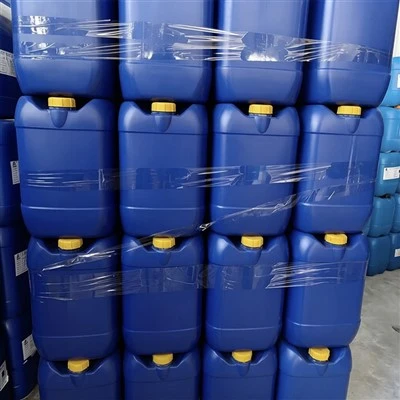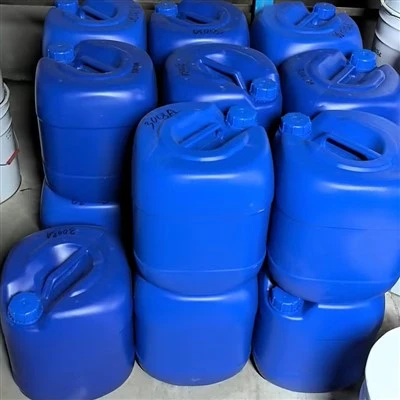

What is the adhesion of Epoxy Urethane Top Coat to different substrates?
As a supplier of Epoxy Urethane Top Coat, I often receive inquiries about how well our product adheres to various substrates. Adhesion is a critical factor in the performance of any coating, as it determines the long - term durability and protection of the substrate. In this blog, we will delve into the adhesion properties of Epoxy Urethane Top Coat on different substrates and explore the underlying mechanisms.
Understanding Epoxy Urethane Top Coat
Epoxy Urethane Top Coat is a high - performance coating that combines the excellent chemical resistance and mechanical strength of epoxy resins with the weatherability and flexibility of urethanes. This hybrid coating offers a wide range of benefits, including resistance to abrasion, chemicals, UV rays, and water. It is commonly used in industrial, marine, and automotive applications where long - lasting protection is required.
Adhesion Mechanisms
The adhesion of Epoxy Urethane Top Coat to substrates is governed by several mechanisms:
- Mechanical bonding: This occurs when the coating penetrates into the pores and irregularities of the substrate surface, creating a physical interlock. The rougher the substrate surface, the greater the mechanical bonding.
- Chemical bonding: Epoxy Urethane Top Coat can form chemical bonds with the substrate surface through reactions between the functional groups in the coating and the reactive sites on the substrate. For example, epoxy resins can react with hydroxyl groups on metal surfaces to form strong covalent bonds.
- Intermolecular forces: These include van der Waals forces and hydrogen bonding, which act between the molecules of the coating and the substrate. Although these forces are relatively weak compared to chemical bonds, they can contribute significantly to adhesion, especially when the surface area of contact is large.
Adhesion to Metal Substrates
Metal substrates such as steel, aluminum, and copper are commonly used in industrial applications. The adhesion of Epoxy Urethane Top Coat to metal surfaces depends on several factors:
- Surface preparation: Proper surface preparation is crucial for achieving good adhesion to metal substrates. This typically involves cleaning the surface to remove dirt, grease, and oxidation products, followed by roughening the surface to increase mechanical bonding. For example, sandblasting or chemical etching can be used to create a rough surface profile. Our Epoxy Zinc Rich Paint can also be used as a primer to enhance adhesion and provide additional corrosion protection.
- Metal type: Different metals have different surface chemistries, which can affect the adhesion of the coating. For example, aluminum has a naturally occurring oxide layer on its surface, which can interfere with adhesion if not properly removed or modified. Specialized primers may be required for aluminum substrates to ensure good adhesion.
- Environmental conditions: The humidity, temperature, and presence of contaminants in the environment can also affect the adhesion of the coating to metal substrates. High humidity and temperature can cause the coating to dry too quickly, resulting in poor adhesion. It is important to apply the coating under optimal environmental conditions to ensure good adhesion.
Adhesion to Concrete Substrates
Concrete is a widely used substrate in construction applications. The adhesion of Epoxy Urethane Top Coat to concrete depends on the following factors:


- Surface porosity: Concrete is a porous material, and the coating can penetrate into the pores, providing mechanical bonding. However, if the concrete surface is too porous, it may absorb too much of the coating, resulting in a thin and weak film. On the other hand, if the surface is too dense, the coating may not be able to penetrate sufficiently, leading to poor adhesion. Surface treatment such as grinding or acid etching can be used to optimize the surface porosity.
- Moisture content: Concrete can contain a significant amount of moisture, which can interfere with the curing process of the coating and reduce adhesion. It is important to ensure that the concrete is adequately dry before applying the coating. Moisture meters can be used to measure the moisture content of the concrete. Our Natural Film forming Agents can be used to improve the adhesion and performance of the coating on concrete substrates.
- Curing time: The curing time of the coating on concrete substrates is longer compared to metal substrates due to the lower temperature and humidity conditions. It is important to allow sufficient curing time for the coating to develop full adhesion and mechanical properties.
Adhesion to Plastic Substrates
Plastic substrates such as polyethylene, polypropylene, and PVC are used in a variety of applications. The adhesion of Epoxy Urethane Top Coat to plastic substrates is more challenging compared to metal and concrete substrates due to the low surface energy of plastics. The following factors affect adhesion to plastic substrates:
- Surface treatment: Plastic surfaces often need to be treated to increase their surface energy and improve adhesion. This can be achieved through methods such as corona treatment, flame treatment, or chemical etching. These treatments create polar groups on the plastic surface, which can react with the functional groups in the coating to form chemical bonds.
- Compatibility: The coating must be compatible with the plastic substrate to ensure good adhesion. Some plastics may contain additives or plasticizers that can migrate to the surface and interfere with adhesion. It is important to test the coating on the specific plastic substrate before full - scale application.
Testing Adhesion
To ensure the quality of the adhesion of Epoxy Urethane Top Coat to different substrates, various adhesion tests can be conducted:
- Cross - hatch test: This test involves making a series of parallel cuts in the coating at right angles to each other, creating a grid pattern. A piece of adhesive tape is then applied over the grid and quickly removed. The amount of coating that is removed with the tape is evaluated to determine the adhesion strength.
- Pull - off test: In this test, a dolly is glued to the coating surface using an appropriate adhesive. A pulling force is then applied to the dolly until the coating detaches from the substrate. The force required to detach the coating is measured, and the adhesion strength is calculated.
Conclusion
The adhesion of Epoxy Urethane Top Coat to different substrates is a complex phenomenon that is influenced by several factors, including surface preparation, substrate type, environmental conditions, and coating formulation. By understanding these factors and taking appropriate measures, such as proper surface treatment and selection of the right coating system, we can ensure excellent adhesion and long - term performance of the coating on various substrates.
If you are interested in learning more about our Epoxy Urethane Top Coat or have specific requirements for your project, please feel free to contact us for a detailed discussion and procurement negotiation. We are committed to providing high - quality products and professional technical support to meet your needs.
References
- Paint and Coating Technology Handbook, Second Edition.
- Coatings for Metal Substrates: Science and Technology.
- Adhesion and Adhesives Technology: An Introduction.