
Heated degreasers have become an essential tool in various industrial and commercial settings, offering an efficient way to remove stubborn grease, oil, and grime from surfaces. As a supplier of heated degreasers, I often encounter questions about their safety. In this blog post, I will delve into the safety aspects of using heated degreasers, exploring the potential risks and the measures that can be taken to ensure safe operation.
Understanding Heated Degreasers
Heated degreasers work by heating a degreasing solution to enhance its cleaning power. The heat helps to break down the bonds between the grease and the surface, making it easier to remove. The degreasing solutions used in these machines can vary widely, from water - based detergents to more powerful chemical solvents.


Potential Risks Associated with Heated Degreasers
Chemical Hazards
Many degreasing solutions contain chemicals that can be harmful if not handled properly. Some solvents may be toxic, corrosive, or flammable. For example, certain chlorinated solvents can release toxic fumes when heated, which can cause respiratory problems, skin irritation, and in severe cases, long - term health issues. Inhalation of these fumes can lead to headaches, dizziness, and nausea. Skin contact with the chemicals can result in burns or allergic reactions.
Fire and Explosion Risks
If the degreasing solution is flammable, heating it can increase the risk of fire or explosion. The heat can cause the solvent to vaporize, and if these vapors come into contact with an ignition source, such as a spark or an open flame, a fire or explosion can occur. Additionally, the electrical components of heated degreasers can pose a risk if they are not properly maintained or if there is a short - circuit.
Thermal Hazards
The high temperatures involved in heated degreasers can cause burns. Operators may come into contact with hot surfaces, such as the heating elements or the degreasing tank, if they are not careful. There is also a risk of steam burns when opening the degreaser or handling the hot solution.
Safety Measures for Using Heated Degreasers
Chemical Safety
- Proper Ventilation: Ensure that the area where the heated degreaser is used has adequate ventilation. This helps to remove any toxic fumes that may be released. Local exhaust ventilation systems can be installed near the degreaser to capture and remove the fumes at the source.
- Personal Protective Equipment (PPE): Operators should wear appropriate PPE, including gloves, goggles, and respiratory protection. Gloves made of materials resistant to the chemicals in the degreasing solution can prevent skin contact. Goggles protect the eyes from splashes and fumes, and respiratory protection can filter out harmful vapors.
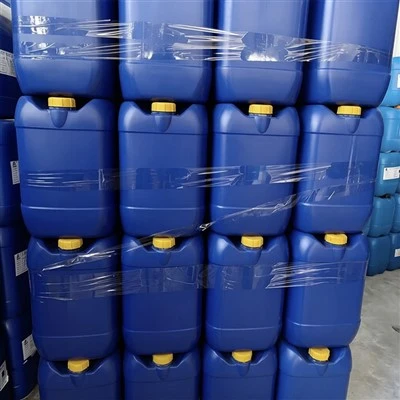
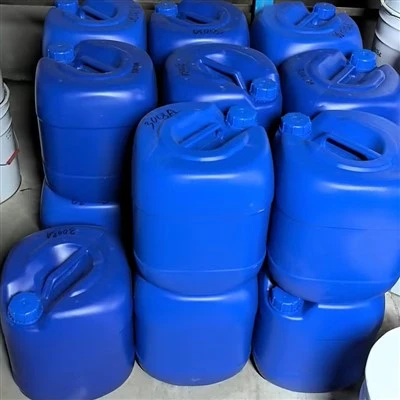
- Safe Storage: Store the degreasing solutions in a cool, dry place away from heat sources and open flames. Follow the manufacturer's instructions for storage and handling of the chemicals.
Fire and Explosion Prevention
- Use of Non - flammable Solutions: Whenever possible, choose non - flammable or low - flammability degreasing solutions. This significantly reduces the risk of fire and explosion.
- Electrical Safety: Have the heated degreaser inspected regularly by a qualified electrician. Ensure that all electrical connections are tight and that there are no exposed wires. Use the degreaser in a dry area to prevent electrical shock.
- Eliminate Ignition Sources: Keep all ignition sources, such as open flames, smoking materials, and sparks, away from the heated degreaser. Ground the degreaser properly to prevent static electricity buildup, which can also cause ignition.
Thermal Safety
- Insulation: Ensure that the heated degreaser has proper insulation to prevent heat transfer to the outer surfaces. This reduces the risk of burns to operators.
- Safety Features: Look for degreasers that are equipped with safety features such as temperature controls and automatic shut - off mechanisms. These features can prevent overheating and reduce the risk of thermal hazards.
- Training: Provide operators with proper training on how to operate the heated degreaser safely. They should be aware of the potential thermal hazards and know how to handle the hot solution and equipment.
Safety in Different Applications
Industrial Applications
In industrial settings, heated degreasers are often used in large - scale operations. The safety requirements are more stringent due to the higher volume of chemicals and the larger size of the equipment. Industrial facilities should have a comprehensive safety plan in place, which includes regular safety audits, employee training, and emergency response procedures.
Commercial Applications
In commercial applications, such as automotive repair shops or food processing plants, the safety of heated degreasers is also crucial. These settings may have specific regulations regarding the use of chemicals and the handling of waste. For example, in food processing plants, the degreasing solutions used must be food - grade and safe for use in an environment where food is present.
Complementary Products and Their Safety
As a supplier of heated degreasers, we also offer a range of complementary products such as Phosphating Agent, Epoxy Urethane Top Coat, Epoxy Intermediate Mortar Coating, Black Epoxy Primer Sealer, and Natural Film forming Agents. These products are designed to work in conjunction with our heated degreasers to provide a complete metal treatment solution.
Each of these products has its own safety considerations. The phosphating agent, for example, is used to prepare metal surfaces for coating, and it may contain chemicals that require proper handling and disposal. The epoxy - based coatings can release fumes during application, so proper ventilation is essential. However, when used in accordance with the safety guidelines provided, these products can be used safely and effectively.
Conclusion
In conclusion, heated degreasers can be safe to use if the appropriate safety measures are taken. By understanding the potential risks associated with these machines, such as chemical hazards, fire and explosion risks, and thermal hazards, and implementing the necessary safety precautions, operators can minimize the chances of accidents and ensure a safe working environment.
As a supplier of heated degreasers, we are committed to providing our customers with high - quality products and comprehensive safety information. We believe that safety is of the utmost importance, and we encourage our customers to follow the safety guidelines provided with our products.
If you are interested in purchasing heated degreasers or any of our complementary metal treatment products, we invite you to contact us to discuss your specific needs. Our team of experts is ready to assist you in finding the right solution for your application and to provide you with all the necessary safety information and support.
References
- "Industrial Cleaning Handbook" by John W. Rossmoore
- "Safety in Chemical Handling" by American Chemical Society
- Manufacturer's manuals for heated degreasers and related products