
Hey there! As a provider of heated degreasers, I often get asked, "Can a heated degreaser be used on tiled floors?" It's a great question, and today, I'm gonna break it all down for you.
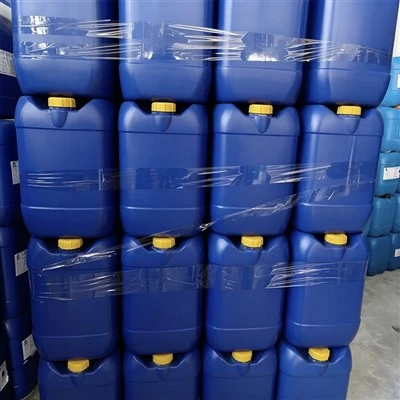
First off, let's talk a bit about what a heated degreaser is. A heated degreaser is a powerful cleaning solution that, as the name suggests, works better when heated. The heat helps to break down grease, oil, and other stubborn stains more effectively than a regular, cold degreaser. It's commonly used in industrial settings, kitchens, and automotive workshops because it can handle some pretty tough messes.
Now, onto tiled floors. Tiles are a popular choice for floors in many homes and commercial spaces because they're durable, easy to clean, and come in a wide variety of styles. But they can also get dirty, especially in areas like kitchens and bathrooms where grease, soap scum, and other grime can build up over time.


So, can you use a heated degreaser on tiled floors? The short answer is: it depends. There are a few factors you need to consider before you start spraying that heated degreaser all over your tiles.
Tile Type
The type of tile you have is crucial. There are different kinds of tiles, such as ceramic, porcelain, natural stone (like marble or granite), and vinyl. Each type has its own properties and may react differently to a heated degreaser.
- Ceramic and Porcelain Tiles: These are generally quite hardy. They can usually withstand the use of a heated degreaser without any major issues. However, you still need to be careful. Some cheaply made ceramic tiles may have a porous surface that could absorb the degreaser and cause discoloration. Always test the degreaser on a small, inconspicuous area first.
- Natural Stone Tiles: Marble, granite, and other natural stone tiles are more delicate. They are often porous and can be damaged by harsh chemicals. A heated degreaser may contain strong solvents that could etch or stain the stone. It's best to avoid using a heated degreaser on natural stone tiles unless you're absolutely sure it's safe. You might want to look for a Surface Conditioner specifically designed for natural stone instead.
- Vinyl Tiles: Vinyl tiles are made of plastic, and they can be easily damaged by strong chemicals and high temperatures. Using a heated degreaser on vinyl tiles could cause the tiles to warp, melt, or lose their color. Stick to mild, cold cleaning solutions for vinyl tiles.
Grout
Don't forget about the grout! Grout is the material that fills the gaps between the tiles. It's often more porous than the tiles themselves and can absorb dirt and stains easily. A heated degreaser can be effective at cleaning grout, but you need to be cautious. Some degreasers may be too harsh and could damage or discolor the grout. If you're using a heated degreaser on tiled floors with grout, make sure to choose a product that is safe for grout and follow the manufacturer's instructions carefully. You can also consider using a Black Epoxy Primer Sealer to protect the grout after cleaning.
Safety Precautions
Using a heated degreaser on tiled floors requires some safety precautions. The heat can make the degreaser more volatile, and the fumes can be harmful if inhaled. Make sure the area is well - ventilated. Open windows and doors, and use fans to circulate the air. It's also a good idea to wear protective gear, such as gloves and goggles, to prevent the degreaser from coming into contact with your skin and eyes.
How to Use a Heated Degreaser on Tiled Floors
If you've determined that it's safe to use a heated degreaser on your tiled floors, here's how you can do it:
- Prepare the Area: Clear the floor of any furniture, rugs, or other objects. Sweep or vacuum the floor to remove loose dirt and debris.
- Dilute the Degreaser: Follow the manufacturer's instructions to dilute the degreaser. Using it at the correct concentration is important for both cleaning effectiveness and safety.
- Heat the Degreaser: Use a suitable heating device to warm up the degreaser. Make sure not to overheat it, as this can cause the degreaser to break down or become too dangerous to use.
- Apply the Degreaser: Use a sprayer or a mop to apply the heated degreaser to the tiled floor. Work in small sections, starting from one corner of the room and moving towards the exit.
- Let it Sit: Allow the degreaser to sit on the floor for the recommended amount of time. This gives it a chance to break down the grease and stains.
- Scrub the Floor: Use a scrub brush or a floor scrubber to agitate the degreaser and loosen the dirt. Pay extra attention to areas with heavy stains.
- Rinse the Floor: Once you've scrubbed the floor, rinse it thoroughly with clean water. Make sure to remove all traces of the degreaser.
- Dry the Floor: Use a mop or a towel to dry the floor. This helps to prevent water spots and keeps the floor looking clean.
Alternatives to Heated Degreasers
If you're not comfortable using a heated degreaser on your tiled floors, or if your tiles are too delicate, there are some alternatives. You can use a regular, cold degreaser that is formulated for use on tiles. Some examples include Stainless Degreaser which can also be effective on tiled floors. You can also make a homemade cleaning solution using vinegar and water. Vinegar is a natural cleaning agent that can break down grease and stains without being too harsh on the tiles.
In addition to cleaning, you may also want to consider protecting your tiled floors. A Epoxy Intermediate Mortar Coating or an Epoxy Micaceous Iron Oxide Intermediate Coat can help to seal the tiles and make them more resistant to stains and damage.
Conclusion
So, can a heated degreaser be used on tiled floors? Yes, it can in some cases, but you need to be careful. Consider the type of tile, the grout, and follow the safety precautions. If you're unsure, it's always a good idea to test the degreaser on a small area first.
If you're in the market for a high - quality heated degreaser or any of the other products mentioned in this post, don't hesitate to reach out. We're here to help you find the right cleaning and protection solutions for your tiled floors. Whether you have a small home kitchen or a large commercial space, we've got the products and expertise to meet your needs.
References
- Manufacturers' product manuals and safety data sheets for heated degreasers, cleaning agents, and protective coatings.
- Industry standards and guidelines for cleaning and maintaining tiled floors.